About
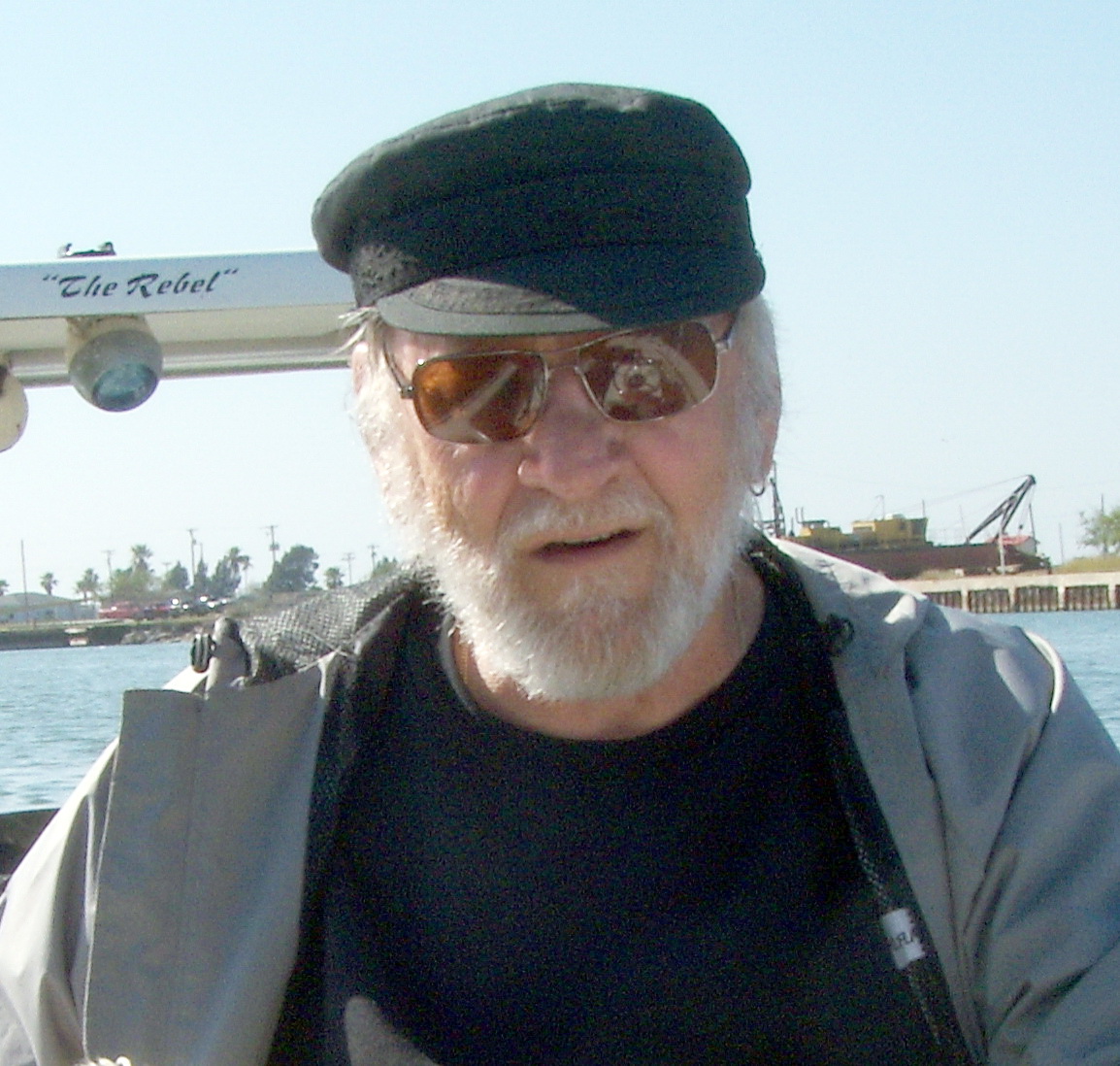
Michael E. Benson was born in a small coal mining town in Kansas. He moved to the deserts of Utah when he was twelve and there he learned to hunt and to survive in the wilderness. It was there he also learned of his affinity with horses. Later, his parents moved to Kansas City. After high school, he joined the United States Coast Guard. After he returned home, he worked at many occupations. Eventually, he became a private detective and later a police officer.He earned a Master of Science in Education degree in Criminal Justice and a Master of Arts degree in American History. He became a member of the faculty at Longview Community College in Lee's Summit, Missouri, where he stayed for the next twenty-five years teaching American History and Criminal Justice. After his retirement, he began his writing career in earnest. Today, Michael lives in south Texas with his wife Barbara
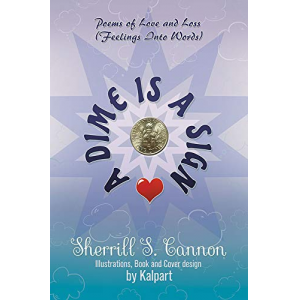
A Dime Is a Sign: Poems of Love and Loss (Feelings Into Words)
Description
<p>A psychic medium once said that if you find a random dime, it is a sign that someone that you have loved and lost is thinking of you.</p><p><strong>A Dime is a Sign Through Time</strong></p><p><em>If you find a dime, </em></p><p><em>You will know that I'm</em></p><p><em>Sending thoughts of love</em></p><p><em>Through the veil of time.</em></p><p> </p><p><em>Ten cents with a silver shine, </em></p><p><em>A sense sent you to help remind</em></p><p><em>That someone who left you behind</em></p><p><em>Is always living in your mind.</em></p><p> </p><p><em>Sending love and vibes, </em></p><p><em>Felt as psychic sighs ...</em></p><p><em>The ones that you miss, </em></p><p><em>Send you a kiss ...</em></p><p> </p><p>Sherrill S. Cannon's second book of poetry contains messages written through the years in poetic form that put feelings into words. As a teacher, many of her poems helped counsel troubled teens and friends.</p><p>There are three sections in the book: Heads, Spinning, and Tails ... (Love & Loss: Coin Toss?). The variety of lyrical poetry forms include free verse, blank verse, haiku, and sonnets, while some are just playing with words!</p><p>Hopefully, this is also a book of healing.</p><p> </p><p> </p><p>Sherrill S. Cannon, a former teacher and grandmother of ten, is the author of nine acclaimed rhymed children's books, plus a recent award-winning book of poetry <em>(A Penny for Your Thoughts), </em>which together have received 63 national and international book awards since 2011. She also wrote seven published plays for elementary school children that have been performed in over 25 countries. Most of her children's books emphasize consideration for others. Married for 58 years, she and her spouse are now retired, live in Pennsylvania, and travel in their RV from coast to coast, spending time with their children and grandchildren, and sharing her books along the way!</p><p> </p>
Story Behind The Book
When I taught Criminal Investigation I often created scenarios. The natural outgrowth of that was that I began writing them down and eventually made them into a book. I would often take the book to class and question the students over some of the scenarios I had created.