About
I was born in Minnesota, U.S.A. and raised on the west coast of Canada. There I fell in love with the oral traditions and art of the Haida people. I began carving at the age of 12, and became a professional sculptor at 25.
When I was 35 I moved to Hawaii, and assisted in the construction of the 62 foot long traditional double hull voyaging sailing canoe " Mo'okiha O Pi'ilani " Sacred Lizard That Pierces The Heavens on the island of Maui. At this time, I began making outrigger racing paddles, which are now used all over the world.
I am now a student of Inca culture; this is my first book.
www.hiddenincatours.com
Description
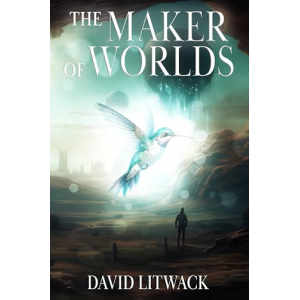
<p style="padding:0px;margin:0px 0px 14px;color:rgb(15,17,17);font-family:'Amazon Ember', Arial, sans-serif;font-size:14px;"><span class="a-text-bold a-text-italic" style="font-weight:700;font-style:italic;">If you had the chance to remake the world, what kind of world would you choose?</span></p><p style="padding:0px;margin:-4px 0px 14px;color:rgb(15,17,17);font-family:'Amazon Ember', Arial, sans-serif;font-size:14px;"><span>When tragedy strikes Lucas Mack's young life, he desperately yearns to escape its sorrow, and takes an improbable leap through the mythical maelstrom. Rather than splashing down on the far side like his neighbors, he's transported to a magical realm where he has the power to redefine not only who he is, but the world in which he resides.</span></p><p style="padding:0px;margin:-4px 0px 14px;color:rgb(15,17,17);font-family:'Amazon Ember', Arial, sans-serif;font-size:14px;"><span>As he stumbles about trying to find his way, he meets Mia, an equally troubled fellow pilgrim. With the help of a mystical guide and an aging wizard, they navigate the enchanted land while learning to control their newfound powers. Yet this realm is more complex than they expected, with seasoned sorcerers who've been corrupted by the sinister side of magic.</span></p><p style="padding:0px;margin:-4px 0px 14px;color:rgb(15,17,17);font-family:'Amazon Ember', Arial, sans-serif;font-size:14px;"><span>Limited by natural law and seduced by magic's power, they are tested as never before. Will the gift of magic bring renewed hope or drive them to the edge of the void?</span></p>
Story Behind The Book
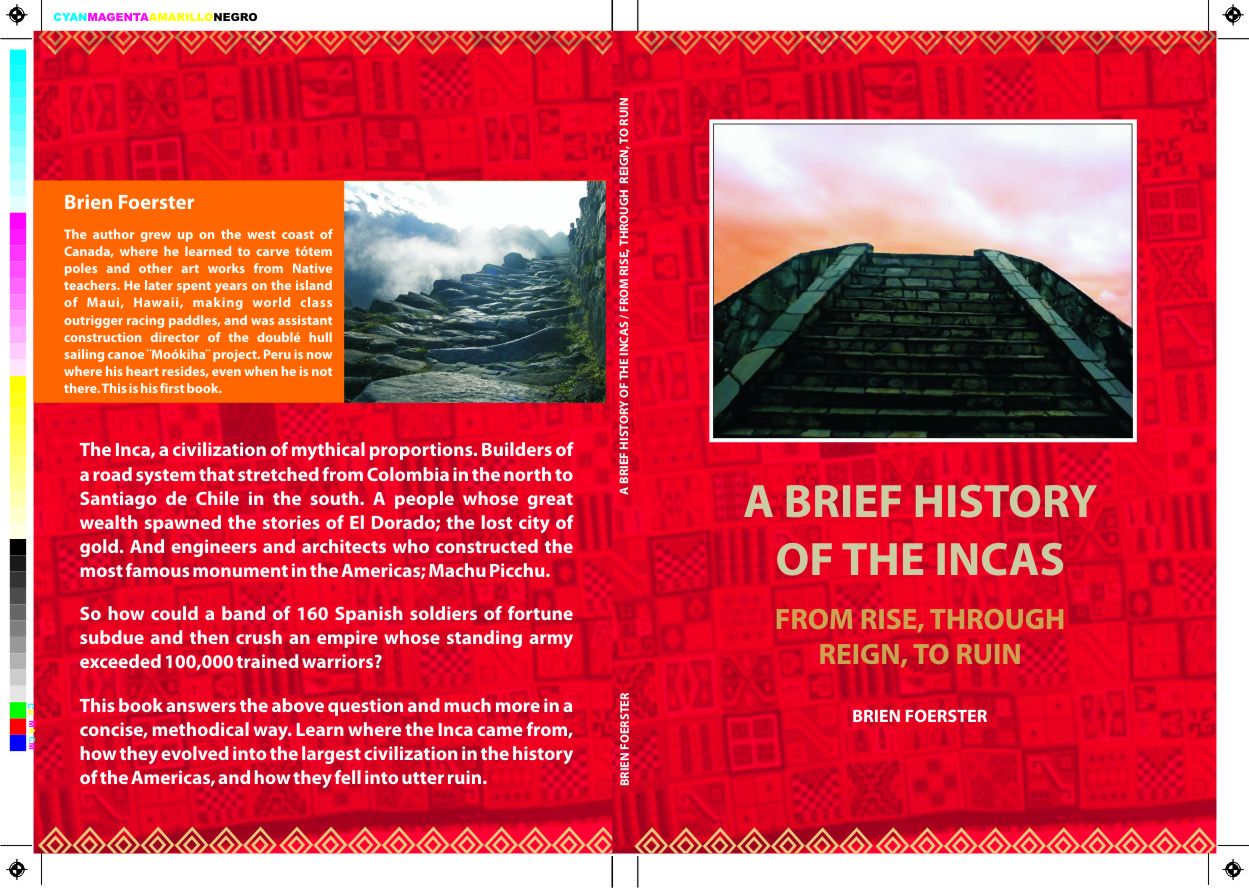
I wrote this book as well as my first book "A Brief History Of The Incas: From Rise Through Reign To Ruin" because I could never find a nice and concise book about the subject!
The history of Hawaii is much older and far more interesting than most people think. Did they originate in Tahiti 2,000 years ago, or is the story much more elaborate and intriguing than that?
Did this chain of islands and her people choose to become part of the United States, or were they forced? This book answers these questions and much more in plain and readable language.