How to Buy Appliances on a Budget: What I Learned the Hard Way
I didn’t plan to become careful about buying appliances. It happened after I overspent once, regretted it for years, and realized that most of my stress came from how I bought, not what I bought. Since then, I’ve learned to approach appliance shopping like a process instead of an impulse. This is the story of how I learned to buy appliances on a budget without feeling deprived or cornered.
Why I Stopped Trusting Price Tags Alone
I used to assume the lowest price meant the best deal. I remember standing in front of two refrigerators, staring at the numbers, and choosing the cheaper one without asking any real questions. That decision taught me a lesson fast.
What I learned is that the price tag is just the entry point. It doesn’t tell you about energy use, repair costs, or how long the appliance will realistically last. Once I started factoring those in, my idea of “budget” changed. Cheap upfront wasn’t always cheap overall.
That realization slowed me down. And slowing down saved me money.
How I Defined “Budget” Before Shopping
Before I shop now, I define my budget in writing. I don’t just decide what I want to spend. I decide what I can spend without stress, including delivery and setup.
I also decide where I’m flexible. Maybe I’ll accept fewer features. Maybe I’ll choose a simpler finish. That clarity prevents emotional decisions when sales pressure hits.
I’ve found that articles and breakdowns offering Expert Buying Tips helped me frame budget as a range rather than a single number. That mindset made negotiations and comparisons easier to handle.
Why Timing Became My Secret Weapon
One of the biggest shifts for me was learning that when you buy matters almost as much as what you buy. I stopped shopping only when something broke. Instead, I started tracking replacement timelines.
I noticed patterns. Older models get discounted when new ones arrive. Floor models quietly drop in price. End-of-cycle sales offer better value than flashy holiday promotions.
I didn’t rush anymore. Waiting gave me leverage.
How I Compared Features Without Getting Overwhelmed
Feature lists used to overwhelm me. Now, I filter them. I ask myself one question: will this feature change how I use the appliance every week?
If the answer is no, I treat it as optional. Smart screens, specialty modes, and cosmetic upgrades often fall into that category for me. Reliability, capacity, and ease of use never do.
This approach helped me avoid paying for complexity I didn’t need. It also made comparisons faster and more rational.
What I Learned About New, Used, and Open-Box Options
At first, I avoided anything that wasn’t brand new. That changed after I tried an open-box washer and had a good experience. I learned that “not new” doesn’t automatically mean “high risk.”
Now, I evaluate condition, return policies, and warranties instead of labels. Open-box items often come from cancelled orders or minor packaging damage, not functional issues.
I still stay cautious. When buying from unfamiliar sellers, I check credibility and background using tools like scamadviser so I don’t mistake a bargain for a problem. That extra step has saved me more than once.
How I Negotiated Without Feeling Awkward
Negotiation used to intimidate me. I thought prices were fixed. They’re often not.
I learned to ask simple questions. Is there flexibility on delivery? Are there upcoming discounts? Can floor models be reduced further? These aren’t confrontational questions. They’re practical ones.
Sometimes the answer is no. Sometimes it’s yes. Either way, asking costs nothing.
Why I Factored in Energy and Maintenance Costs
Budget buying isn’t just about purchase price. I learned that energy efficiency and maintenance matter long after checkout.
I now look at estimated energy use and common repair patterns. An appliance that costs slightly more but uses less power or breaks less often usually wins in the long run.
This shift helped me stop chasing the lowest sticker price and start thinking in timelines instead.
How I Avoided Emotional Pressure in the Store
Sales environments are designed to speed you up. I noticed how urgency phrases affected me. Limited stock. One-day deal. Last chance.
Now, I pause. I remind myself that there’s always another option somewhere. If I feel rushed, I leave. Walking away has become one of my strongest tools.
That pause protects my budget better than any coupon.
What I Do Before I Commit to Buying
Before I finalize a purchase, I run a short checklist. Does this appliance meet my actual needs? Is the price aligned with long-term cost? Do I understand the return and warranty terms?
If I hesitate on any of those, I wait. Waiting has never hurt me. Rushing has.
The One Habit That Keeps Me on Budget
The habit that changed everything is reflection. After every appliance purchase, I note what worked and what didn’t. I treat each experience as data for the next one.
Related Books
More

From Salford to Tucson and Back Again, The Globetrotting Memoirs of a Manchester United Fanatic
Sports & Recreation
1k views

From Salford to Tucson and Back Again, The Globetrotting Memoirs of a Manchester United Fanatic
Sports & Recreation
1k views
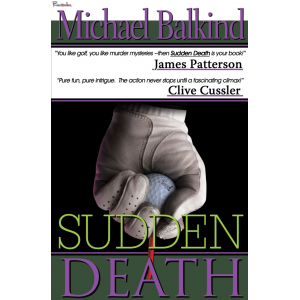
Sudden Death - Endorsed by James Patterson, Clive Cussler & Wendy Corsi Staub
General Fiction
Mystery & Thrillers
Sports & Recreation
1k views
Dead Ball (Highly endorsed & only $2.99 - Also avail. on Kindle Prime Free)
General Fiction
Mystery & Thrillers
Sports & Recreation
1k views

Sex and the Single Beer Can
Entertainment & Style
Entertainment & Style
Politics & Current Affairs
1k views



Futuriamo 2009 - Forte dei Marmi
Science & Technology
Entertainment & Style
Outdoors & Nature
1k views