About
I was born in Minnesota, U.S.A. and raised on the west coast of Canada. There I fell in love with the oral traditions and art of the Haida people. I began carving at the age of 12, and became a professional sculptor at 25.
When I was 35 I moved to Hawaii, and assisted in the construction of the 62 foot long traditional double hull voyaging sailing canoe " Mo'okiha O Pi'ilani " Sacred Lizard That Pierces The Heavens on the island of Maui. At this time, I began making outrigger racing paddles, which are now used all over the world.
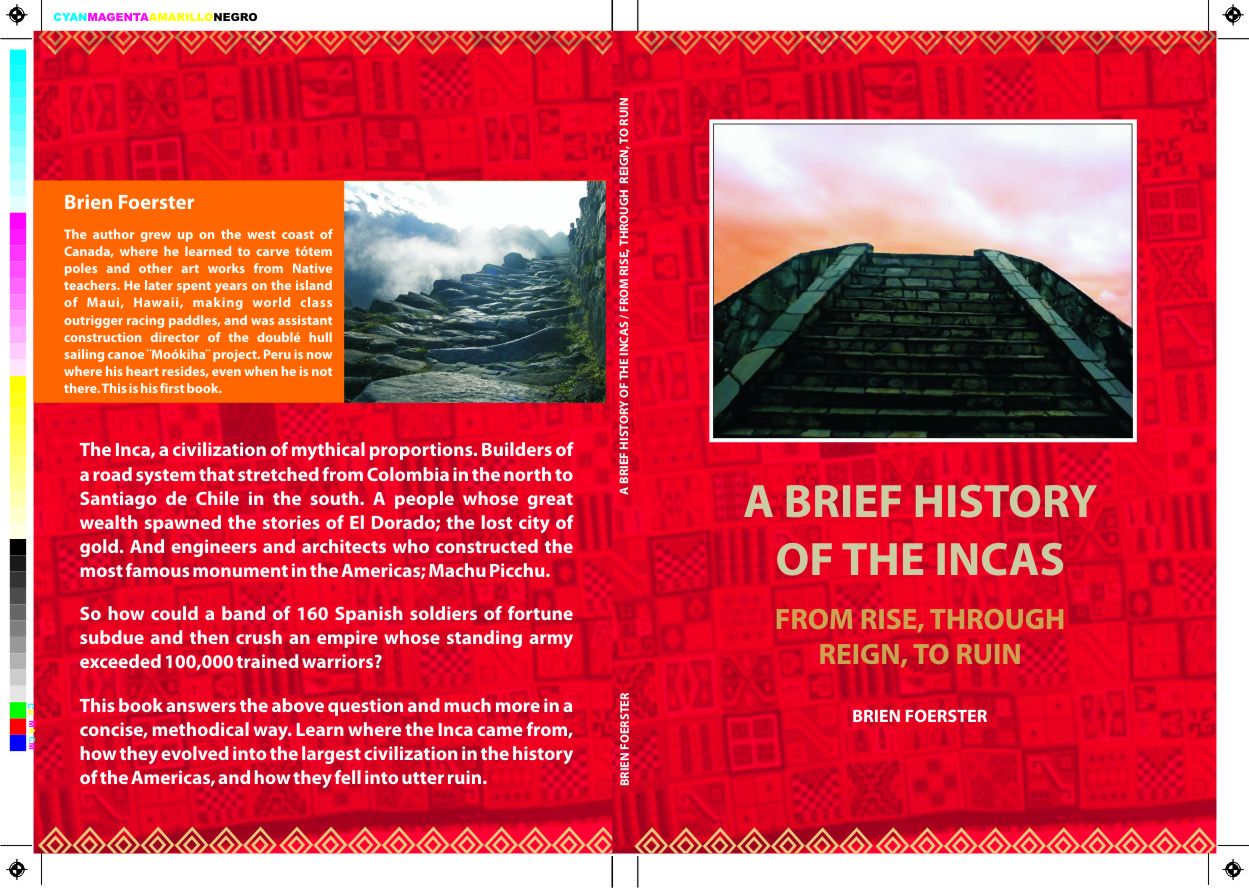
I am now a student of Inca culture; this is my first book.
www.hiddenincatours.com
Description
<p><span style="color:rgb(15,17,17);font-family:'Amazon Ember', Arial, sans-serif;font-size:14px;">What happens when a king loses his prowess? The day Henry IV could finally declare he had vanquished his enemies, he threw it all away with an infamous deed. No English king had executed an archbishop before. And divine judgment was quick to follow. Many thought he was struck with leprosy—God's greatest punishment for sinners. From that point on, Henry's health was cursed and he fought doggedly on as his body continued to betray him—reducing this once great warrior to an invalid. Fortunately for England, his heir was ready and eager to take over. But Henry wasn't willing to relinquish what he had worked so hard to preserve. No one was going to take away his royal prerogative—not even Prince Hal. But Henry didn't count on Hal's dauntless nature, which threatened to tear the royal family apart.</span></p>
Story Behind The Book
The people of the Pacific known by most as "Polynesians" remain a mystery to scholars and the public alike as to their origins. While most academics in the fields of archaeology and anthropology strongly insist that they exclusively came from south east Asia, other researchers, and the oral traditions of the people themselves often differ with this opinion.
The presence of red hair, called "Ehu" in Hawaii and "Uru Kehu" in some of the ancient and present populations suggest connections, in the distant past, with sea farers from coastal Peru, especially the Paracas, to account for this.
The famous explorer Thor Heyerdahl was insitent that there were ancient connections between Peru and the Pacific Islands, and this book attempts to solve this riddle, without delving into Celtic or other possible European ancestry. Come explore the possibilities through science, wind directions, sea currents, sculpture, and oral traditions.