Judith Arnopp

Judith Arnopp

About

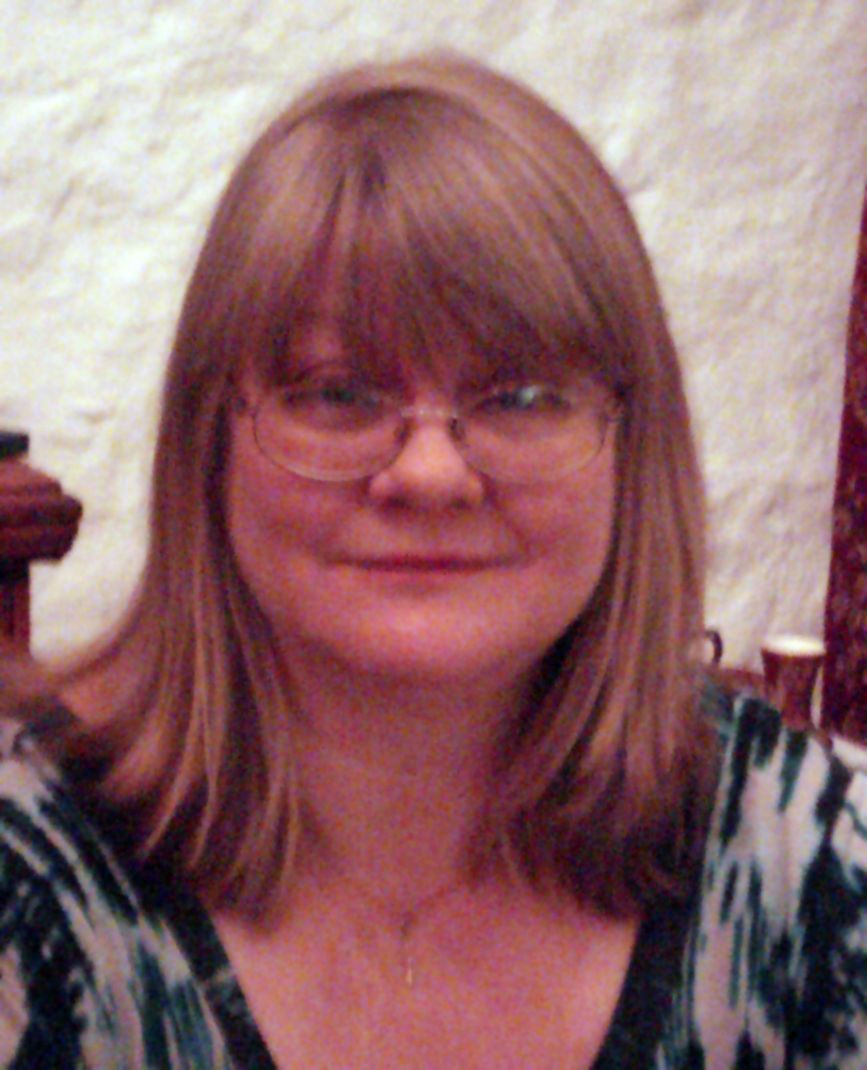
I write historical novels set in the late Anglo Saxon/ early Medieval period. My first novel Peaceweaver is told from the perspective of Eadgyth, wife and queen to Gruffydd ap Llewellyn of Wales and Harold ii of England. EAdgyth provides a female view of the  years leading up to and encompassing the Battle of Hastings.  My current novel is called The Forest Dwellers and is the story of a family's struggles when they cast out of their home to make way for William the Conqueror's Royal hunting ground in The New Forest.

The Sons of Godwine: Part Two of The Last Great Saxon Earls

The Sons of Godwine: Part Two of The Last Great Saxon Earls

0.0
0 ratings

Description

<p>Emerging from the long shadow cast by his formidable father, Harold Godwineson showed himself to be a worthy successor to the Earldom of Wessex. In the following twelve years, he became the King's most trusted advisor, practically taking the reins of government into his own hands. And on Edward the Confessor's death, Harold Godwineson mounted the throne—the first king of England not of royal blood. Yet Harold was only a man, and his rise in fortune was not blameless. Like any person aspiring to power, he made choices he wasn't particularly proud of. Unfortunately, those closest to him sometimes paid the price of his fame.<br /><br />This is a story of Godwine's family as told from the viewpoint of Harold and his younger brothers. Queen Editha, known for her Vita Ædwardi Regis, originally commissioned a work to memorialize the deeds of her family, but after the Conquest historians tell us she abandoned this project and concentrated on her husband, the less dangerous subject. In THE SONS OF GODWINE and FATAL RIVALRY, I am telling the story as it might have survived had she collected and passed on the memoirs of her tragic brothers.<br /><br />This book is part two of The Last Great Saxon Earls series. Book one, GODWINE KINGMAKER, depicted the rise and fall of the first Earl of Wessex who came to power under Canute and rose to preeminence at the beginning of Edward the Confessor's reign. Unfortunately, Godwine's misguided efforts to champion his eldest son Swegn recoiled on the whole family, contributing to their outlawry and Queen Editha's disgrace. Their exile only lasted one year and they returned victorious to London, though it was obvious that Harold's career was just beginning as his father's journey was coming to an end.<br /><br />Harold's siblings were all overshadowed by their famous brother; in their memoirs we see remarks tinged sometimes with admiration, sometimes with skepticism, and in Tostig's case, with jealousy. We see a Harold who is ambitious, self-assured, sometimes egocentric, imperfect, yet heroic. His own story is all about Harold, but his brothers see things a little differently. Throughout, their observations are purely subjective, and witnessing events through their eyes gives us an insider’s perspective.<br /><br />Harold was his mother's favorite, confident enough to rise above petty sibling rivalry but Tostig, next in line, was not so lucky. Harold would have been surprised by Tostig's vindictiveness, if he had ever given his brother a second thought. And that was the problem. Tostig's love/hate relationship with Harold would eventually destroy everything they worked for, leaving the country open to foreign conquest. This subplot comes to a crisis in book three of the series, FATAL RIVALRY.</p>

Story Behind The Book

Eadgyth, daughter of the powerful Earl Aelfgar of Mercia, is sold into marriage at the age of thirteen to the former enemy of her father, Gruffydd ap Llewellyn, the king of the Welsh. At his court at Rhuddlan she finds freindship and love but ultimately is accused of treason and incest. During a raid on the castle by Harold Godwinson of Wessex she is detached from the household and taken to the English court. There, she befriends Queen Edith and King Edward, ultimately marrying Edith's brother, HArold on his accession to the throne. Her future happines is threatened as William the Conqueror gathers his army in the south and Harold Hardrada plans to invade from the north. The fourteenth of October, 1066 looms. Peaceweaver is a story of a girl plunged into the feuding, male dominated world of Anglo Saxon Britain.

Reviews

The setting and characters came alive in the very first paragraph, and The Conqueror came to town. Judith is an amazing, prolific writer, and the feeling of being placed in a different time and place was immediate. This read so authentically. I felt the rain, and most important, I felt the hatred the narrator had for this king. That hatred, in itself, is a brilliant hook into the story. I've seldom seen such succinct descriptions, and I'm thinking now of the dank description of King Diarmaid's cout - not at all what I expected, and these kinds of surprises, whether in character or environment, are always wonderful.  I especially loved the simple but profound statement at the end of the chapter - that an enemy can become a friend as easily as a friend becomes an enemy. What a brilliant segue into the rest of the story. <br />                                               **<br /><br />This is an intelligent book, one we not only enjoy but learn from. Because of the elegant prose, it is a lovely experience in every way. The text is polished to perfection and the literary talent sings.<br /><br />                                                ***<br /><br /><p>Wonderful. Really good historic novel writers don't need to constantly remind the reader where they are, they know their period so well they live it and because of that, the reader lives there as well.<br />This author knows her period and I was there. <br /><br />                                                    ***<br />Rich, brooding, atmospheric, this well-written tale of medieval plotting and politicking feels entirely authentic. The landscape is alive in an animistic way, powerful, cruel, and beautiful. Eadgyth is chattel, a political pawn, as were all women of the period. A beautifully painted historical novel.<br /></p>