

C. Margery Kempe

C. Margery Kempe

About

C. Margery Kempe is a writer of erotic romance distinguished by its humour, intelligence and fearless sensual pleasures. Her stories range from contemporary thrillers to medieval era fairy tales. An English professor by day, she also writes on medieval literature, film, creative writing and New Media, as well as humor, drama, mainstream and genre fiction under her real name. She's a weekly blogger at Nights of Passion on Sundays and a frequent guest at Ravenous Wednesdays at Unbound.

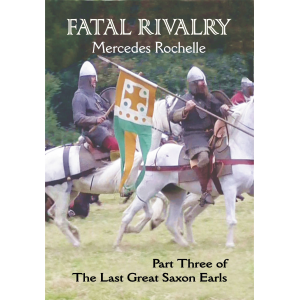
Fatal Rivalry: Part Three of The Last Great Saxon Earls

Fatal Rivalry: Part Three of The Last Great Saxon Earls

0.0
0 ratings

Description

<p>In 1066, the rivalry between two brothers brought England to its knees. When Duke William of Normandy landed at Pevensey on September 28, 1066, no one was there to resist him. King Harold Godwineson was in the north, fighting his brother Tostig and a fierce Viking invasion. How could this have happened? Why would Tostig turn traitor to wreak revenge on his brother?<br />The Sons of Godwine were not always enemies. It took a massive Northumbrian uprising to tear them apart, making Tostig an exile and Harold his sworn enemy. And when 1066 came to an end, all the Godwinesons were dead except one: Wulfnoth, hostage in Normandy. For two generations, Godwine and his sons were a mighty force, but their power faded away as the Anglo-Saxon era came to a close.</p>

Story Behind The Book

I had an idea to write my own version of the Rumpelstiltskin tale: as a medievalist, my first thought was to choose that setting and then it occurred to me that it would be fun to switch the gender of the "girl" -- and it was!

Reviews

From <a href="http://bittenbybooks.com/?p=23039">Bitten by Books</a>: <a title="buy a copy here" href="http://www.allromanceebooks.com/product-spinninggold-391952-145.html?referrer=bittenbybooks">“Spinning Gold”</a> was an amusing take on the old Rumpelstiltskin tale where a young maiden is doomed to try and spin straw into gold - only this time around, that maiden is actually a man. It was interesting to consider that though Frea was genetically male, he lived his life as a woman and was highly skilled with textiles. The root of his father’s boast were grounded in actual mastery, and yet the drunkard gave no care as to how his behavior would affect his son. The story took on a more sexual bent than the traditional story and yet it seemed almost as innocent. The twists and turns at the end were both surprising and pleasing, if somewhat convenient. I enjoyed reading this.