


Story Behind The Book
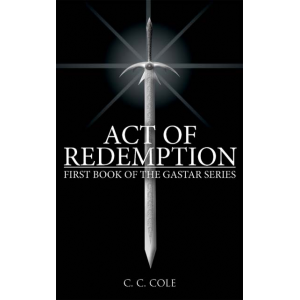
More than 350,000 Americans suffered and died in “this old crazy Asian war” sung about by Kenny Rogers in 1969. Wounds made in the jungles and rice paddies of Viet Nam, Laos and Cambodia found their way back to the United States, carried there by the bodies, minds, and hearts of our troops. This is a novel about six of them – aging combat veterans – seeking treatment in a V.A. psychiatric ward in Montana. Veterans still bleeding from “A Thousand Daggers.” Their stories are fictional; their experiences are not.
Media Links
Reviews
<p class="CMPSTDCxSpFirst" style="text-indent:0in;">“I found myself totally caught up in a delightful and compelling cast of characters embroiled in a wickedly original story line with so many twists, turns and tangles that I couldn’t put the book down. It was an epic read; one that I would recommend to anyone who has any interest at all in the human condition, clinical and forensic psychology, the Vietnam conflict, or the first and second Gulf Wars. Its backdrop is the emotional wound and the excruciating recovery of people deeply scarred by awful events both in combat and at home. It is a story of redemption; of salvation, of heroes being heroes again.”</p> <p align="right" class="CMPSTDCxSpMiddle" style="text-align:right;">—Colonel Thomas E. Diamond, USAF (Ret)</p> <p align="center" class="CMPSTDCxSpMiddle" style="text-align:center;"> </p> <p> </p> <p class="CMPSTDCxSpMiddle" style="text-indent:0in;">The author “has captured all the nuances of the people, politics, illness, grit and determination that flowed through our psychiatric experiences. He shows the overly analytic approach that we thought was helpful…and it was not. He projects a truly genuine love of our veterans and their struggles.”</p> <p align="right" class="CMPSTDCxSpLast" style="text-align:right;">—H. Eugene Evans, Ph.D.</p>