Karen Gonzalez

Karen Gonzalez

About

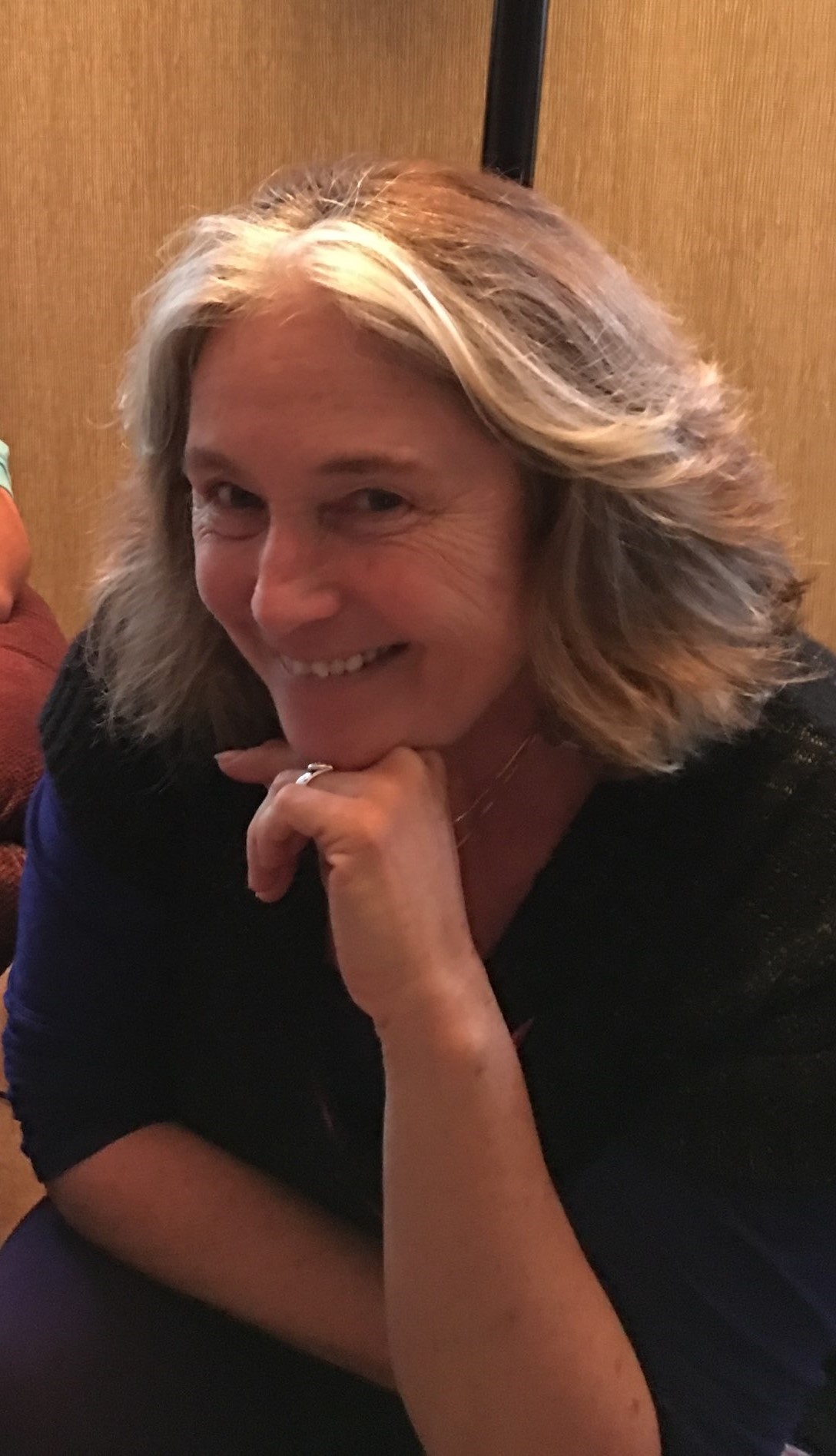
Karen has been interested in folktales and folklore for more than three decades and has facilitated writing classes and workshops for more than twenty years .

Her poetry chapbooks include True North (Origami Poems Project), Coyote in the Basket of My Ribs (Kelsay Books) and forthcoming Down River with Li Po (Black Cat Poetry Press).

An award-winning fiction, poetry, and nonfiction writer, she has earned awards from Farmhouse Magazine, National League of American Pen Women, California Writers Association, and has been nominated for both the Pushcart Prize and Best of the Net.

Her work has appeared in The San Francisco Chronicle, North Bay Biz Journal, Australian Trade Community Journal, Verde, Potato Soup Journal, Sonoma Mandala, Big Blend Magazine, and Twisted in Time, Visual Verse, Zahir Tales as well as other magazines and newspapers.

She earned her Bachelor of Arts degrees in Creative Writing and Anthropological Linguistics/Folklore from Sonoma State University in California, and her folklore research credits include “Sonoma County Scarecrows: Scarecrows as Folk Art,” which was presented to the California Folklore Society.

She is also an assemblage artist who was National Arts Program Featured Artist in 2022. Her work has appeared on the cover of several literary magazines and been displayed in several art galleries.

She lives in Northern California.


The Seekers: The Children of Darkness (Dystopian Sci-Fi - Book 1)

The Seekers: The Children of Darkness (Dystopian Sci-Fi - Book 1)

0.0
0 ratings

Description

<p>New from the author of the multiple award-winning fantasy saga, <em>The Daughter of the Sea and the Sky</em>, winner of the <strong>Pinnacle Book Achievement Award, Fall 2014 - Best Book in the Category of FANTASY</strong>....</p><h1><strong><em>The Children of Darkness</em> by David Litwack</strong></h1><p>Evolved Publishing presents the first book in the new dystopian series <em>The Seekers</em>. [DRM-Free]</p><h2><strong>[Dystopian, Science Fiction, Post-Apocalyptic, Religion]</strong></h2><p><em>“But what are we without dreams?”</em></p><p>A thousand years ago the Darkness came—a terrible time of violence, fear, and social collapse when technology ran rampant. But the vicars of the Temple of Light brought peace, ushering in an era of blessed simplicity. For ten centuries they have kept the madness at bay with “temple magic,” and by eliminating forever the rush of progress that nearly caused the destruction of everything.</p><p>Childhood friends, Orah and Nathaniel, have always lived in the tiny village of Little Pond, longing for more from life but unwilling to challenge the rigid status quo. When their friend Thomas returns from the Temple after his “teaching”—the secret coming-of-age ritual that binds young men and women eternally to the Light—they barely recognize the broken and brooding young man the boy has become. Then when Orah is summoned as well, Nathaniel follows in a foolhardy attempt to save her.</p><p>In the prisons of Temple City, they discover a terrible secret that launches the three on a journey to find the forbidden keep, placing their lives in jeopardy, for a truth from the past awaits that threatens the foundation of the Temple. If they reveal that truth, they might once again release the potential of their people.</p><p>Yet they would also incur the Temple’s wrath as it is written: “If there comes among you a prophet saying, ‘Let us return to the darkness,’ you shall stone him, because he has sought to thrust you away from the Light.”</p><p><strong>Be sure to read the second book in this series, <em>The Stuff of Stars</em>, due to release November 30, 2015. And don't miss David's award-winning speculative saga, <em>The Daughter of the Sea and the Sky</em></strong></p>

Story Behind The Book

Originally, folktales were stories created by ordinary people to be passed on orally from one generation to the next. Over time, with the advent of printing and later the Internet, oral tradition has rapidly been replaced by our ability to collect and store the information electronically (e.g., blogs, Web sites, digital media like CDs) or in books, including scrapbooks, workbooks and journals. The difference between researching and recording ac- curate family histories and writing folktales is that the folk teller (the writer) recounting folktales can focus upon his or her own memories. These rather than genealogy are the stuff of folktales.

Reviews

<p class="MsoNormal" style="margin-bottom:6pt;line-height:116%;"><span style="font-size:10pt;line-height:116%;font-family:'tempus sans itc';color:#000000;">&quot;Family Folktales: What Are Yours? provides quick and simple techniques to capture family history and preserve it for generations to come. Karen Pierce Gonzalez revives the lost art of family storytelling by inspiring us to recall favorite people, events and cherished objects in as little as fifteen minutes. Drawing on her experiences as a writer, student of folklore and creative writing teacher, Karen demonstrates how simple and rewarding writing family stories can be. Stories are indeed medicine, and I recommend this book for anyone wanting to deepen their relationships with their families.”</span></p> <p class="MsoNormal" style="margin-bottom:6pt;line-height:116%;text-align:right;"><strong><span style="font-size:10pt;line-height:116%;font-family:'tempus sans itc';color:#000000;"> Catherine Anne Held, Ph.D., Ancestors’ Way</span></strong></p>